Brick Paver Sealing: Concrete Pavers, Clay Brick, and What Each Needs
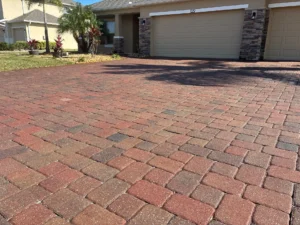
Brick paver sealing in Brevard starts with one question: concrete paver or clay brick? How to tell, which needs sealer, finish options and what goes wrong.
Efflorescence on Pavers: The White Haze, Why It Shows Up, and When to Seal
Efflorescence on pavers is a white haze of calcium carbonate. Why it shows up in Brevard County, whether it goes away, and why it has to clear before sealing.
What is Paver Sealing? Benefits, Process, and Key Aspects Explained for Brevard County Homes
Paver sealing is applying a protective liquid sealer to clean, dry pavers so it soaks in and forms a barrier against water, stains, oil and
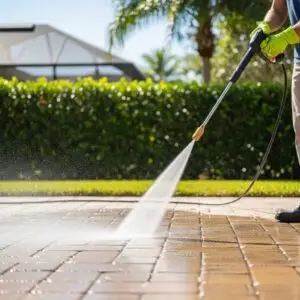
Cleaning Pavers With a Pressure Washer Before Sealing: 5 Steps for Brevard County Homeowners
To clean pavers with a pressure washer before sealing, clear the area, pre-treat stains, wash with a wide fan spray at a low angle, rinse
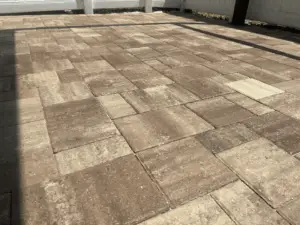
Professional Paver Sanding Services in Brevard County, Florida
Paver sanding, also called re-sanding, means refilling the joints between your pavers with fresh joint sand. That sand is part of what locks the pavers
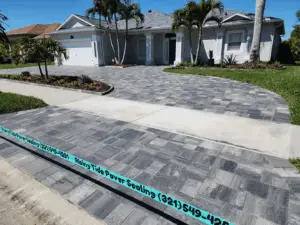
Paver Sealing Costs in Brevard County (Complete Pricing Guide)
Paver sealing in Brevard County typically runs between $1.85 and $5.00 per square foot. Where your project lands in that range depends mostly on the
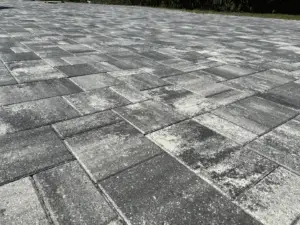
Can You Pressure Wash Sealed Pavers? How to Clean Them Without Stripping the Sealer
Yes, you can pressure wash sealed pavers. Use low pressure, a wide fan spray held at a low angle, and keep the wand moving. The
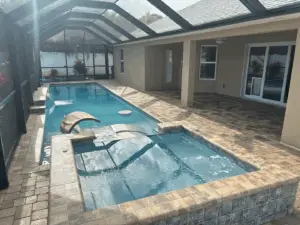
Pool Deck Paver Sealing in Brevard County: Complete Coastal Guide
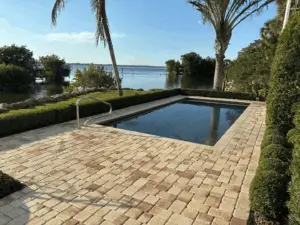
Pool deck paver sealing protects the hardest-working pavers on your property from chlorine, salt, sunscreen and constant water. Sealed pool deck pavers resist stains, hold
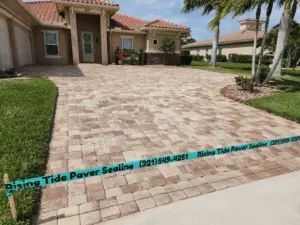
Paver Sealing Process Timeline: What to Expect Start to Finish
A professional paver sealing job follows the same basic order every time: assess, clean, repair, refill the joint sand, let everything dry, seal, and let